

An exit is early only relative to a condition you can identify. Price continuing after the close does not establish that the earlier decision broke the plan. Begin with the actual exit and the instruction that existed before it, then inspect what was known when you acted.
A review can cover a full close or a partial exit. Keep those events distinct so that the final result does not hide the management decision you wanted to examine.
Establish the actual exit
Confirm what closed, on which account and when the available source says it occurred. Imported MT5 execution details can show entries, partial exits and the final close. A manually maintained record needs the source information you preserved yourself.
Check the real amount and the financial result. A partial close can produce cash while the remaining position is still open. It should not be turned into a separate completed idea just to give the review another outcome.
Keep the original risk basis with that history. The action being reviewed is the exit; rewriting risk after the fact would change another input rather than clarify why the position was closed.
Locate the earlier exit condition
Read the saved plan and its permitted exceptions. Was the exit required under a known condition, allowed as discretionary management or outside the written procedure? The wording determines what you can assess.
The plan-versus-execution comparison gives a structure for this step. If the earlier condition was never recorded, mark it unknown. A later preferred exit cannot become the rule the original action was supposed to follow.
A sample note could say, “The plan required another confirmation before discretionary closure. I closed before that confirmation. The timely image and comment are saved.” It states the condition and action without assigning a profit to an alternative exit.
Preserve the view available at the decision
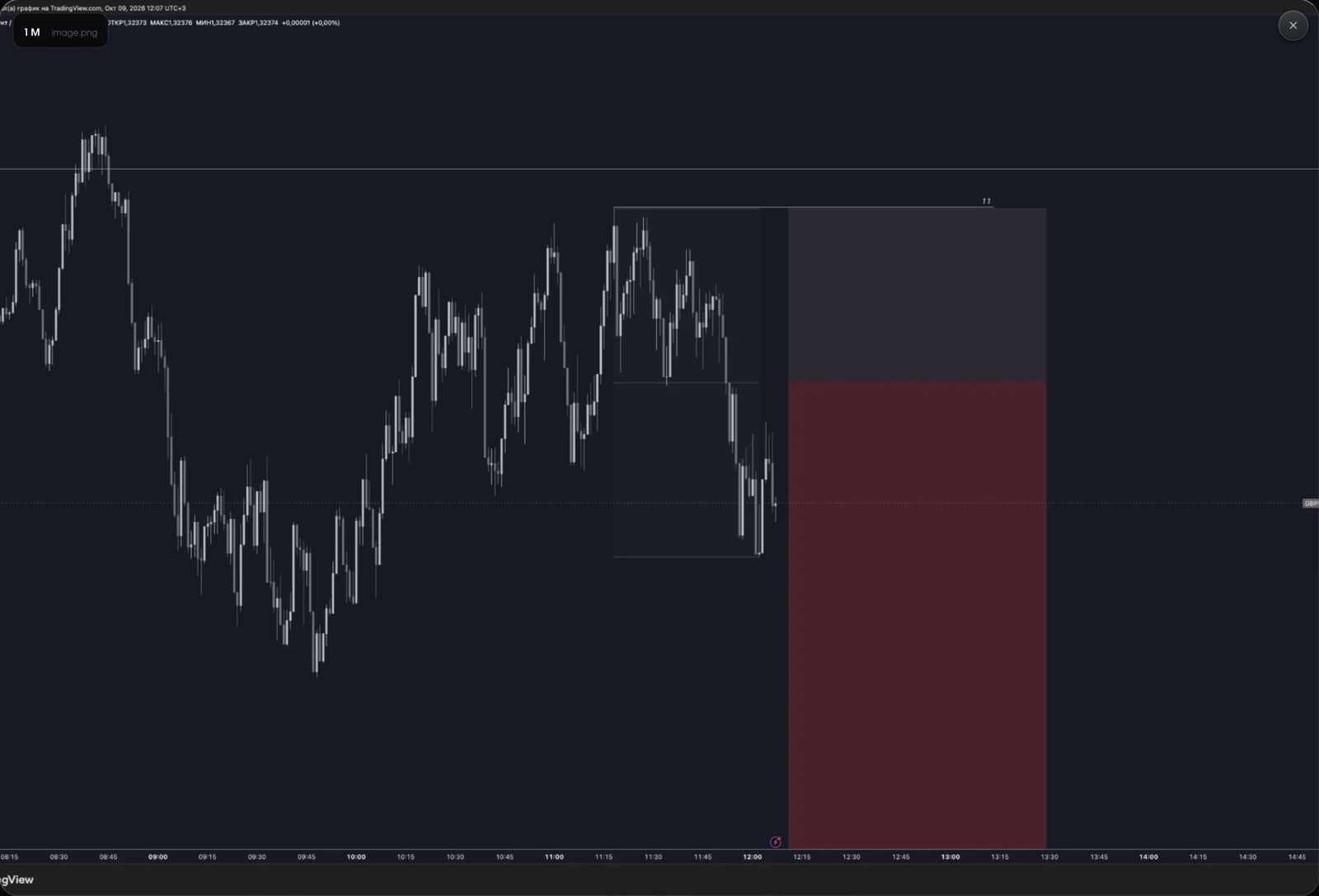
Save or inspect an image that shows the relevant context at exit. Caption it with its timing and purpose. A wider view may explain the original plan, while a closer view clarifies the management action.
The guide to trade-review screenshots helps choose useful evidence. A chart captured later can illustrate the review, provided it is identified as later. It cannot prove what you saw or which outcome was available when you closed.
Santrade's image attachments are static. They provide neither automatic replay nor a calculation of the best possible excursion after your exit. Check which part of the interval your source actually shows.
Assess the action and its scope
Compare the supported exit with the prior condition, then choose an assessment only as far as the evidence allows. A known allowed exception can explain the action. A missing explanation leaves a question; it does not automatically establish either compliance or violation.
If you changed a stop before the close, give that action its own place in the record. The separate stop-management review asks which earlier condition allowed the change. Combining all management into “left too early” can hide the decision that actually needs examination.
Record a personal observation where it is known: “At the time I wanted to stop watching the position,” for example. If recalled later, label it as a recollection. Keep the observation distinct from a causal claim about the final P&L.
Keep alternatives outside the actual result
You can write a later question about what a different management condition would mean, but it remains a proposed alternative. A point on the completed chart is not a guaranteed executable exit, and its price does not supply a real fill for your record.
Preserve actual P&L, balances and closed statistics. Do not add imagined missed profit or replace the real close with the most favourable later price. The hindsight review helps separate information available at the decision from information learned afterward.
When comparing several exits, apply the same known condition to profitable and losing cases. Keeping only examples where price continued in the preferred direction would define the sample through a later outcome.
Leave a recording task that addresses the gap
Save the event, earlier condition, timely evidence, actual action and unresolved question. If the main problem was missing management context, choose a short note or image at the next relevant management decision as the task.
Record whether the evidence supports a departure, an allowed close or an assessment you cannot complete. Keep an unresolved question with the entry so you can return to it if more evidence becomes available.